Aging and Mental Health: Therapy for Older Adults in Ontario

Therapy for Older Adults in Ontario
Aging is not simply a biological process. It is psychological, relational, social, and deeply emotional. For many individuals in midlife and later adulthood, this stage brings a unique combination of transitions: retirement, caregiving shifts, health changes, grief, identity redefinition, and evolving relationships.
While conversations about mental health often focus on younger adults, therapy for older adults in Ontario is equally important, and often underrepresented. Research consistently shows that older adults benefit significantly from psychotherapy, particularly when interventions are adapted to life-stage transitions and identity development (Cuijpers et al., 2020; Knight & Winterbotham, 2021).
In my work providing counselling for older adults in Ontario, I often see clients navigating questions that feel both practical and existential: Who am I after retirement? How do I cope with loss? Why does anxiety feel more present now? What does purpose look like at this stage of life?
Mental health support for seniors and middle-aged adults deserves nuance, depth, and evidence-based care.

The Psychological Landscape of Midlife and Later Adulthood
Aging often involves layered transitions rather than a single event. Retirement can disrupt identity and structure. Adult children becoming independent may shift relational roles. Health concerns may introduce vulnerability where independence once felt stable. Some individuals are balancing caregiving for aging parents while managing their own aging process.
Research indicates that older adults experience increased risk for depression related to bereavement, chronic illness, social isolation, and major life transitions (World Health Organization, 2023). Late-life anxiety is also common, though frequently under-recognized, particularly when symptoms present as physical tension, sleep disturbance, or excessive worry about health and safety.
At the same time, aging is associated with increased emotional insight and improved perspective in many individuals (Carstensen et al., 2011). Therapy for older adults is not only about crisis management, it is often about integration, meaning, and psychological flexibility.
Many older adults benefit from counselling that provides space to process accumulated life experiences, reconcile unresolved emotional wounds, and clarify values for the years ahead.

Grief, Loss, and Retirement Transitions
Grief is one of the most common themes in therapy for seniors and older adults. This may include:
Loss of partners, siblings, or close friends
Retirement-related identity shifts
Changes in physical ability
Caregiving stress
Anticipatory grief about health or independence
Grief in later adulthood is not limited to bereavement. It often includes grief for previous roles and previous versions of oneself.
Evidence-based approaches, including CBT for late-life depression and meaning-centered therapy, have demonstrated effectiveness in reducing depressive symptoms and improving overall well-being in older adults (Cuijpers et al., 2020). Life review therapy, a structured reflection on meaningful life experiences, has also been shown to improve mood and increase a sense of coherence in later life (Westerhof et al., 2017).
Counselling for older adults often focuses on integration rather than reinvention.

Long-Term Impact of Social Expectations and Masking
For many older adults, therapy also becomes a place to revisit long-standing narratives about themselves. Emotional expression was often discouraged in earlier generations. Mental health concerns were frequently minimized. Social roles were rigid, and deviation from norms was not always tolerated.
This can be especially meaningful for older adults who now recognize possible neurodivergent traits in themselves. ADHD and Autism were historically underdiagnosed, particularly in women and marginalized groups. Research suggests many adults over 50 are receiving first-time neurodevelopmental diagnoses later in life (Brugha et al., 2016; Lai & Baron-Cohen, 2015).
Decades of masking, compensating, or being labeled as “too sensitive,” “difficult,” or “rigid” can deeply shape self-concept. Late identification can bring both relief and grief, relief in understanding patterns, grief for years without support.
Therapy at this stage may involve reinterpreting personal history through a more compassionate lens and rebuilding identity with greater clarity and stability.

Loneliness, Social Connection, and Emotional Health
Loneliness is a significant mental health concern in later adulthood. Research links social isolation with increased risk of depression, cognitive decline, and physical health consequences (Holt-Lunstad et al., 2015).
Therapy for older adults can support strengthening social networks, navigating friendship changes, addressing caregiver stress, and building emotional regulation skills that enhance connection.
Structured therapies, including CBT for older adults with anxiety or depression, continue to show strong outcomes when adapted appropriately (Knight & Winterbotham, 2021). When combined with relational attunement and life-stage awareness, therapy can reduce distress and improve overall quality of life.
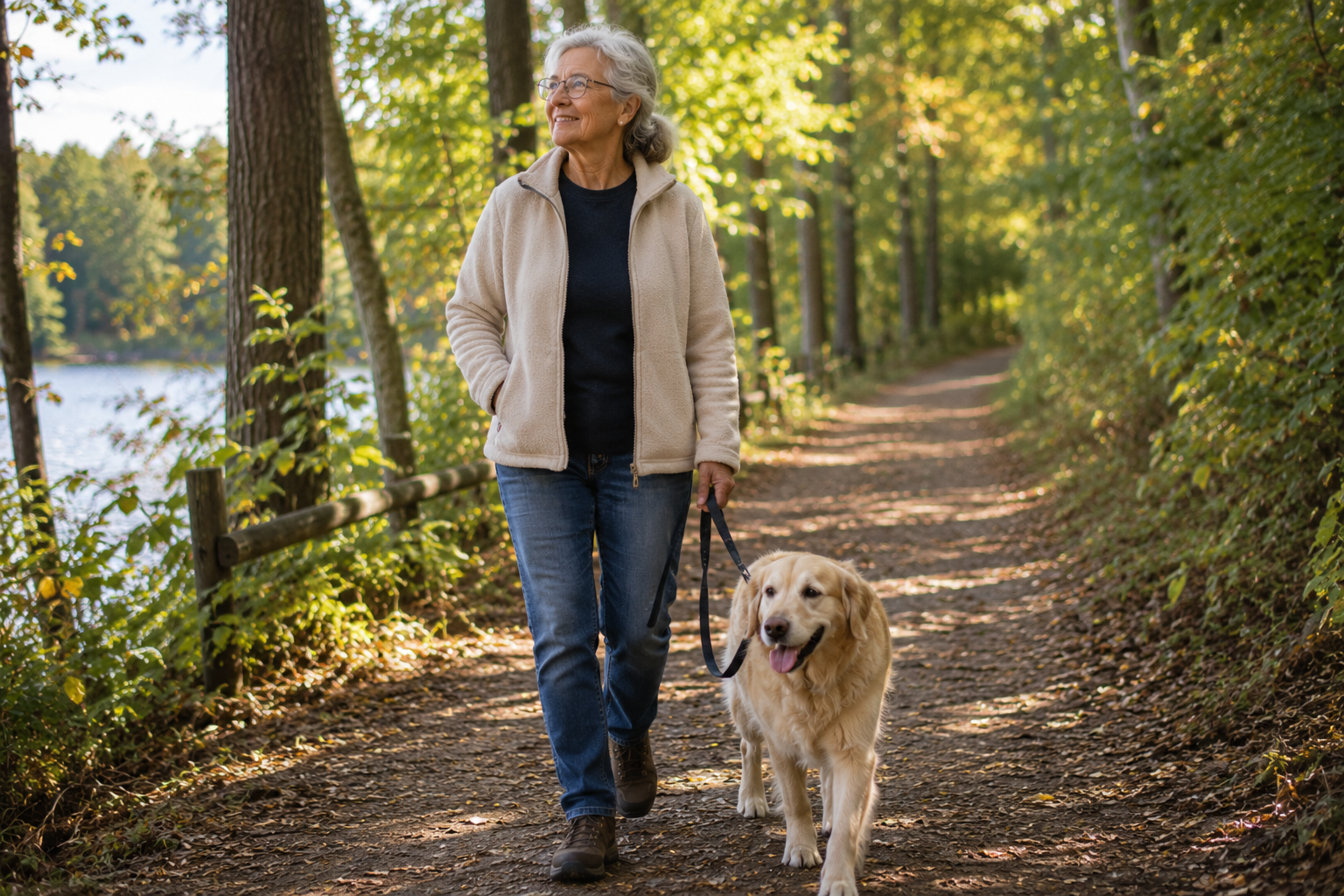
Therapy in Later Adulthood: Integration, Meaning, and Stability
Mental health support for older adults often focuses on:
Processing accumulated grief
Navigating retirement and identity transitions
Managing late-life anxiety or depression
Strengthening coping skills
Improving relational communication
Reframing long-standing self-beliefs
Increasing emotional resilience
Psychological growth does not end at midlife. In many cases, this stage offers a meaningful opportunity for reflection and emotional clarity.

Seeking Therapy for Older Adults in Ontario
If you are in midlife or later adulthood and considering therapy in Ontario, support is available. Whether you are navigating retirement, caregiving stress, grief, anxiety, or long-standing relational patterns, counselling for older adults can provide structured and compassionate space for change.
Virtual therapy offers accessibility and flexibility, particularly for individuals balancing mobility concerns, caregiving responsibilities, or rural living.
Mental health care in later adulthood is not about starting over. It is about strengthening stability, deepening insight, and supporting meaningful living in this stage of life.
— Kassandra Smalley, Registered Psychotherapist (Qualifying)
Date: August 10, 2026
Watkins Counselling & Wellness — Helping You Reconnect, Heal, and Grow