Autism Acceptance Month: Moving Beyond Awareness Toward Understanding and Affirming Support
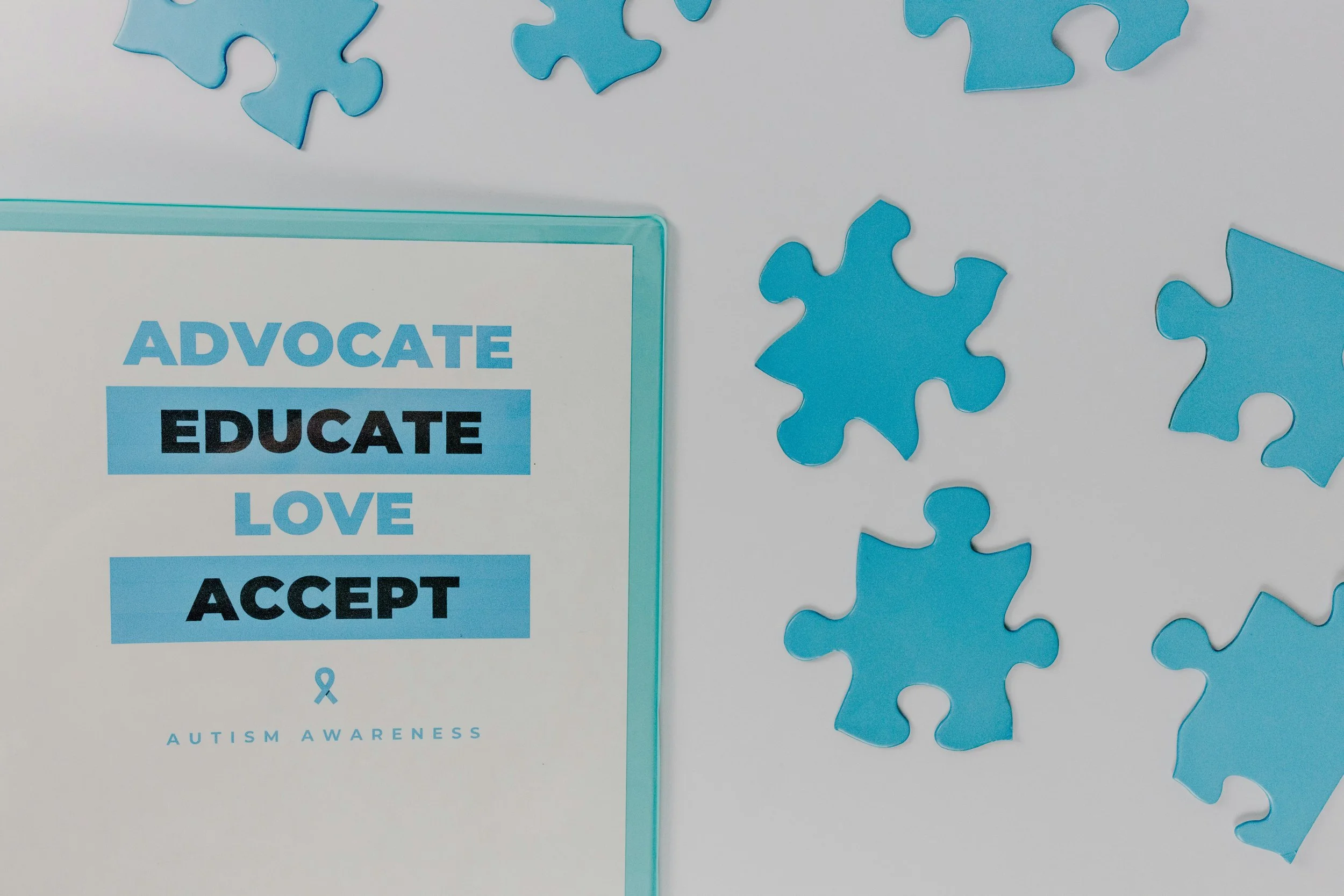
What is autism acceptance?
April is widely recognized as Autism Awareness Month. Increasingly, many individuals, families, and advocates refer to it as Autism Acceptance Month, a shift that reflects a deeper understanding of what meaningful support looks like.
Awareness tells us autism exists.
Acceptance asks us to understand it.
For many people with autism, the challenge has not been awareness, it has been validation, flexibility, and access to neurodiversity-affirming support. Autism is not something to fix. It is a neurotype, a natural variation in how the brain processes information, relationships, emotion, and sensory input.
At Watkins Counselling & Wellness, we view Autism Acceptance Month as an opportunity to highlight the importance of neurodiversity-affirming therapy for individuals and families across Ontario.

Autism Across the Lifespan
People may come to understand their autism at different points in life. Some are identified in childhood, while others recognize it later in adolescence or adulthood. Some may self-identify after years of feeling “different” without having language for why.
Autism can present in many ways, and it does not always match common stereotypes. It may show up as:
Anxiety or feeling constantly on edge
Social exhaustion or difficulty recovering after interactions
Sensory sensitivities
Perfectionism or high internal pressure
Emotional intensity
Burnout related to masking
Masking, the act of suppressing natural behaviours in order to meet social expectations, is common for many people with autism. Over time, masking can contribute to anxiety, nervous system dysregulation, and burnout.
Understanding these patterns can be deeply validating. Experiences that may have once been interpreted as personal struggles often make more sense when viewed through a neurodiversity-affirming lens.

What Neurodiversity-Affirming Therapy Looks Like
Neurodiversity-affirming therapy respects differences in communication, sensory processing, and emotional regulation.
In therapy, this may include:
Clear and direct communication
Flexible pacing based on individual needs
Predictable and structured sessions
Respect for sensory preferences and boundaries
Strength-based exploration
Reducing pressure to conform to neurotypical expectations
Trauma-informed care is also essential. Many people with autism have experienced misunderstanding, exclusion, bullying, or chronic invalidation. These experiences can shape self-esteem, identity, and relationships over time.
Approaches such as attachment-based therapy, DBT-informed skills, and mindfulness-based strategies can support emotional regulation, anxiety, and relational challenges. Therapy can become a space where masking is not required, where authenticity is welcomed.
Autism, Anxiety, and Burnout
Autism and anxiety often intersect. Environments that are overstimulating, unpredictable, or socially demanding can keep the nervous system in a prolonged state of stress.
Over time, this can lead to:
Emotional exhaustion
Shutdown or withdrawal
Increased sensory overwhelm
Difficulty maintaining routines
Supportive, structured therapy can help individuals better understand their nervous system responses and develop regulation strategies that align with their unique needs.
If seasonal traditions matter to you but feel overwhelming, shared approaches can help. A simple cookie or baked-goods swap, for example, can honour the season while saving time, energy, and cost, allowing connection to feel supportive rather than demanding.
Rest and reflection do not require withdrawal. They invite honesty about what feeds your heart this season, whether that looks quiet and contained or gently shared with others.

Moving From Awareness to Acceptance
Autism Acceptance Month invites us to move beyond symbolic gestures and toward meaningful inclusion.
Acceptance asks:
Are environments accessible?
Are communication differences respected?
Are individuals supported in being authentic rather than pressured to mask?
Acceptance is not about changing people with autism. It is about shifting expectations, increasing understanding, and creating more inclusive systems.
For many, acceptance also begins internally, with the recognition that their brain is not broken. It works differently, and that difference deserves respect.
— Kassandra Smalley, Registered Psychotherapist (Qualifying)
Date: April 6, 2026
Watkins Counselling & Wellness — Helping You Reconnect, Heal, and Grow