Why Am I So Tired? Understanding Emotional Exhaustion and Late-Winter Burnout
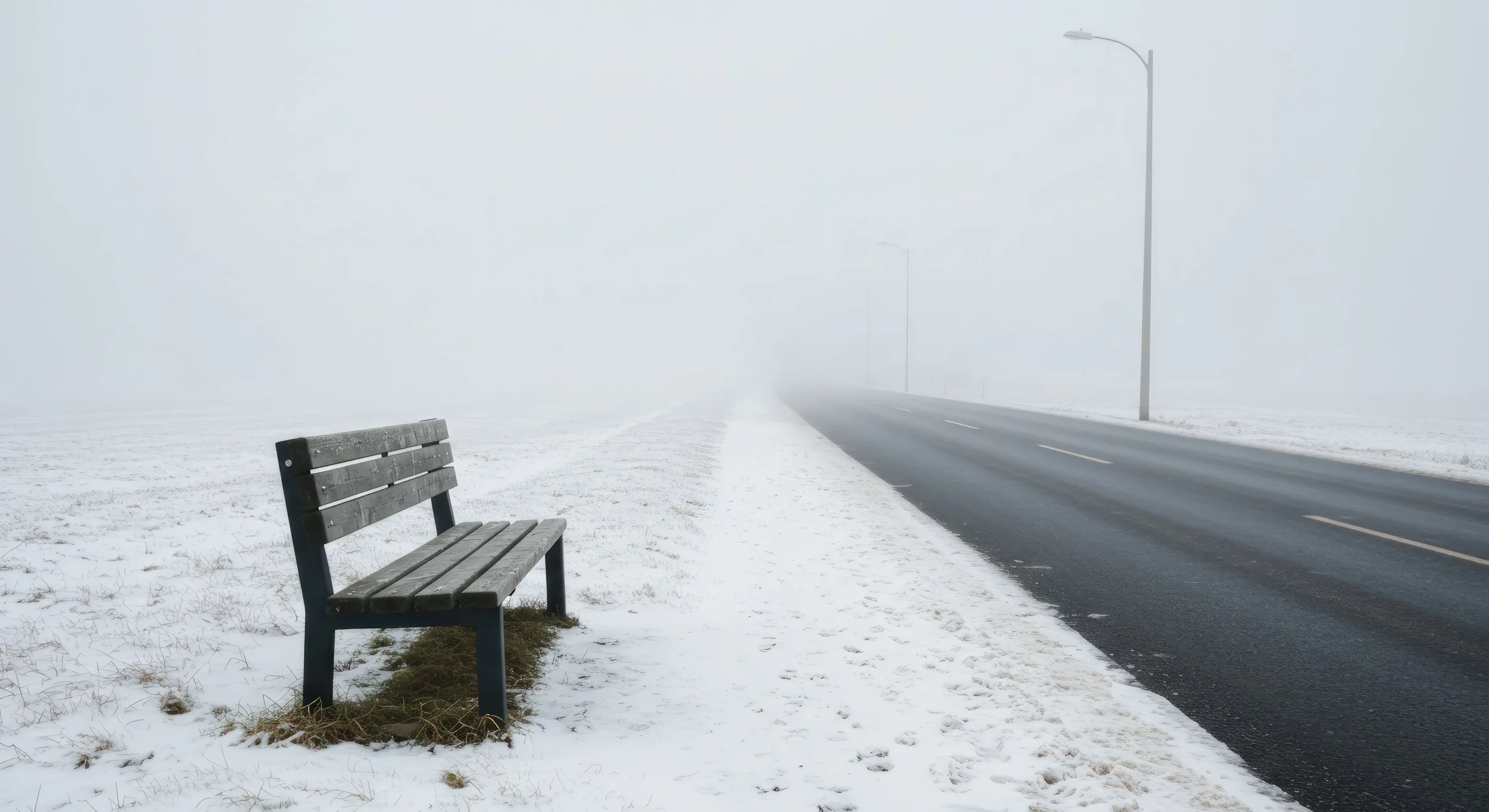
Why am I so tired?
Not physically ill. Not necessarily depressed. Just emotionally and mentally drained.
Late winter can bring a unique kind of fatigue — often described as burnout, emotional exhaustion, or feeling “on edge.” If you’re experiencing this, you are not alone. Many adults navigating anxiety, chronic stress, or relationship pressures notice a dip in energy and resilience at this time of year.
The good news: emotional exhaustion is understandable — and it can shift.

What Is Emotional Exhaustion?
Emotional exhaustion is a state of mental and nervous system depletion caused by prolonged stress without enough recovery.
When we experience stress, our body activates the sympathetic nervous system — increasing alertness and readiness. In short bursts, this is healthy. But when stress becomes chronic, the nervous system can become overworked.
Common signs of emotional exhaustion include:
· Brain fog
· Irritability
· Sensory sensitivity
· Difficulty concentrating
· Increased anxiety
· Emotional numbness or tearfulness
· Feeling overwhelmed by small tasks
For many adults who appear “high-functioning,” burnout builds quietly over time.

Why Late Winter Makes Burnout Worse
In Ontario, late winter often brings:
· Reduced daylight exposure
· Limited outdoor activity
· Ongoing work and family stress
· Fewer restorative social experiences
Seasonal changes affect serotonin regulation, sleep cycles, and mood. Combined with chronic stress, this can intensify emotional fatigue.
If you are already managing anxiety, caregiving demands, people-pleasing patterns, or high levels of responsibility, March can feel like the tipping point.

Emotional Exhaustion vs Depression
Many people wonder whether they are burned out or depressed.
Depression often includes persistent hopelessness and loss of interest in activities once enjoyed.
Emotional exhaustion may feel different:
You still care — you just don’t have capacity.
You want connection — but feel overstimulated.
You are functioning — but barely.
Understanding the difference can reduce self-criticism and guide appropriate support.

The Impact of Masking and Emotional Labour
For neurodivergent adults — including those with autism or ADHD — burnout may be intensified by masking. Masking involves suppressing natural behaviours or adapting constantly to meet external expectations.
Emotional labour also contributes to exhaustion:
Managing others’ emotions
Avoiding conflict
Over-functioning in relationships
Suppressing personal needs
Over time, these patterns tax the nervous system.
Recognizing this is empowering. It shifts the question from “What’s wrong with me?” to “What has my system been managing?”

The Encouraging Part: Burnout Is Treatable
The nervous system is adaptable. With intentional support, emotional exhaustion can improve.
Helpful strategies may include:
Completing the stress cycle through movement or grounding practices
Reducing invisible labour
Setting clearer boundaries
Prioritizing rest without guilt
Engaging in therapy to process stress patterns
Therapy for burnout and anxiety can provide a structured space to regulate the nervous system, explore attachment patterns, and rebuild emotional capacity.

You Are Not Broken — You May Be Depleted
If you are feeling emotionally exhausted this March, it does not mean something is wrong with you. It may mean your system has been under sustained pressure.
With support, recovery is possible. Capacity can return. Emotional clarity can rebuild.
If you are looking for therapy in Ontario to address burnout, anxiety, or chronic stress, virtual psychotherapy can provide accessible, consistent support from the comfort of home.
At Watkins Counselling & Wellness, we offer trauma-informed, attachment-based, and neurodiversity-affirming virtual therapy across Ontario.
Emotional exhaustion is not the end of your story — it may simply be the beginning of a recalibration
— Kassandra Smalley, Registered Psychotherapist (Qualifying)
Date: February 25, 2026
Watkins Counselling & Wellness — Helping You Reconnect, Heal, and Grow