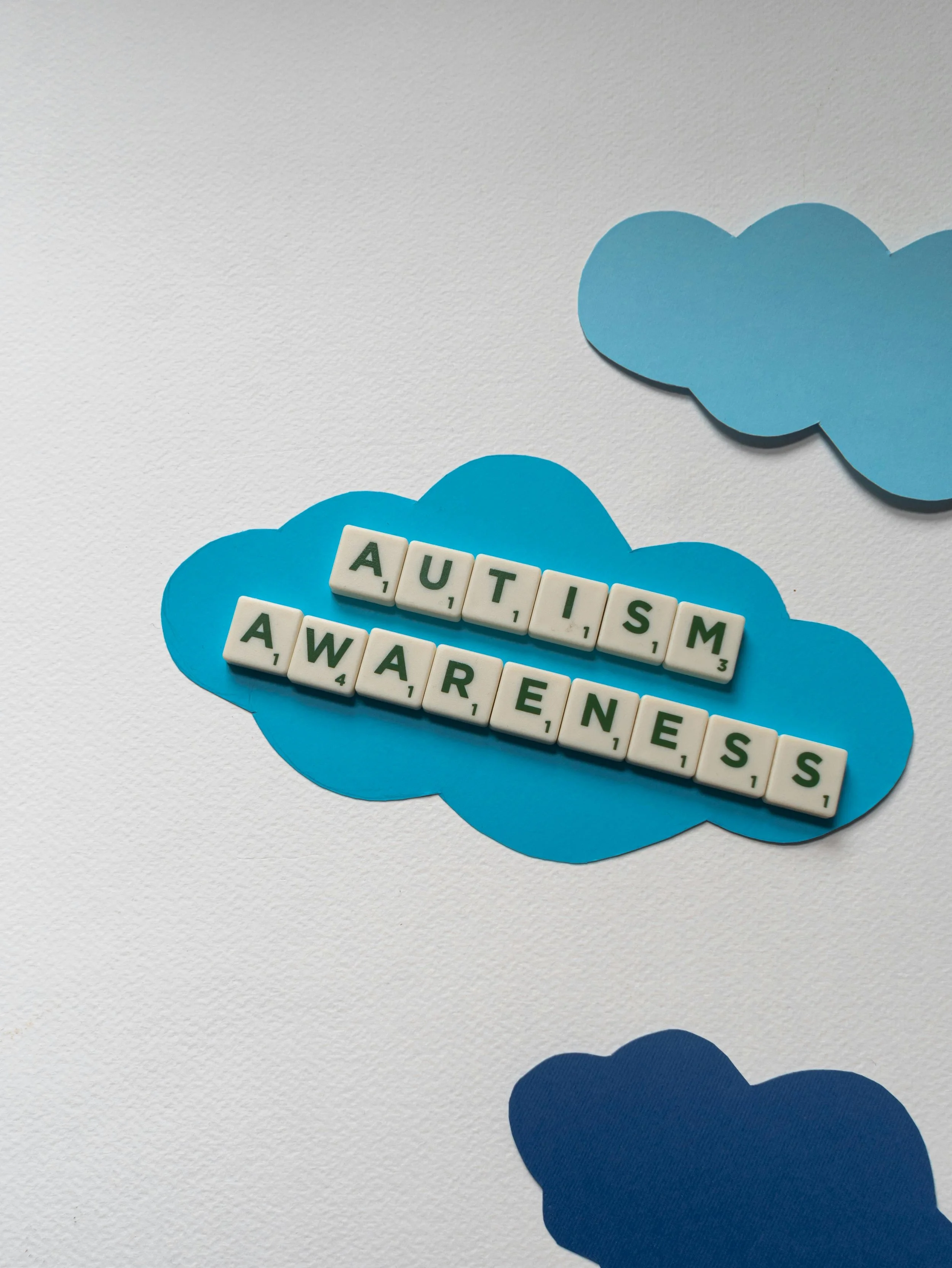
Autism Acceptance Month: Moving Beyond Awareness Toward Understanding and Affirming Support
April is widely recognized as Autism Awareness Month. Increasingly, many autistic adults and advocates refer to it as Autism Acceptance Month, a shift that reflects a deeper understanding of what meaningful support looks like.
Awareness tells us autism exists.
Acceptance asks us to understand it.
For many people with autism, the challenge has not been awareness; it has been validation, flexibility, and access to neurodiversity-affirming support. Autism is not something to fix. It is a neurotype, a natural variation in how the brain processes information, relationships, emotion, and sensory input.
ABOUT THE AUTHORS

Joe-Ann Marie Watkins is a Registered Psychotherapist and founder of Watkins Counselling & Wellness in Smiths Falls, Ontario, offering virtual therapy across Ontario. She works primarily with couples and individuals, supporting attachment, relationship repair, infidelity recovery, anxiety, depression, grief, and trauma. Her work centres on healing, reconnection, and personal growth. Through her monthly writing, she shares reflections and practical ideas for taking small, meaningful steps forward.
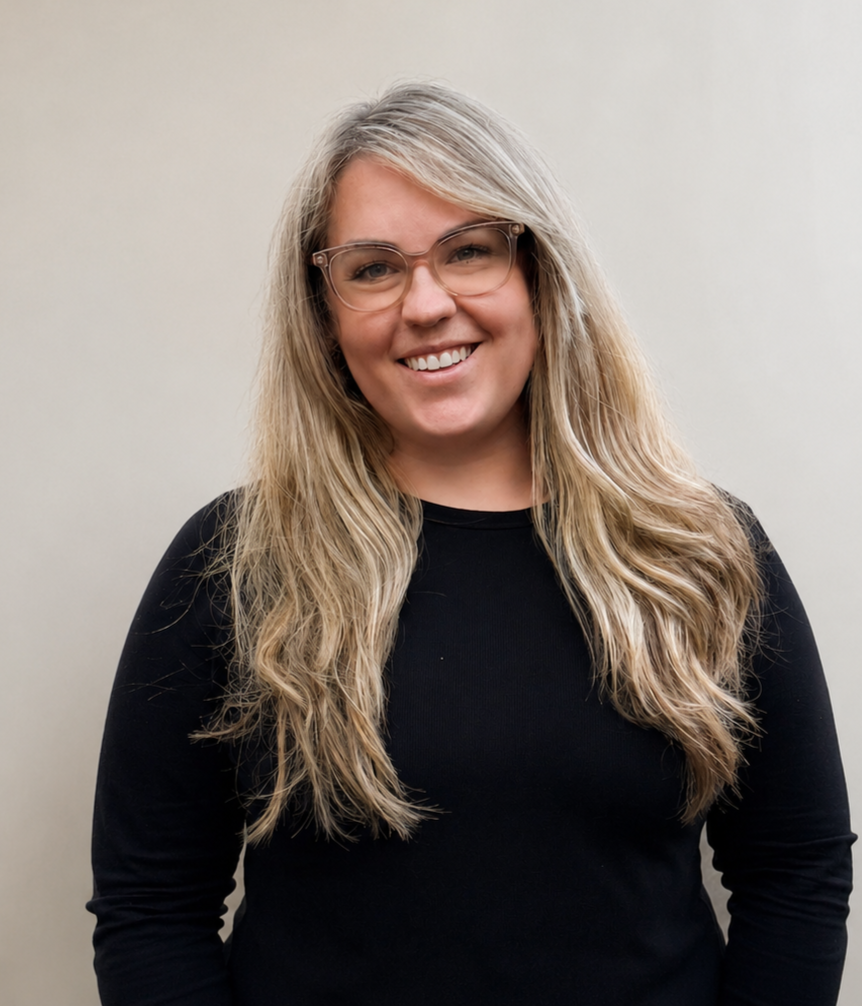
Kassandra Smalley is a Registered Psychotherapist at Watkins Counselling & Wellness, based in Richmond Hill, Ontario, and providing virtual therapy to adults across Ontario. She works from an attachment-informed and trauma-aware lens, with a deep respect for neurodiversity and the ways relationships and broader systems shape emotional wellbeing. Each month, she explores one focused dimension of the month’s topic, offering thoughtful reflections on the patterns that influence emotional wellbeing.