Why Summer May Be the Perfect Time to Start Therapy
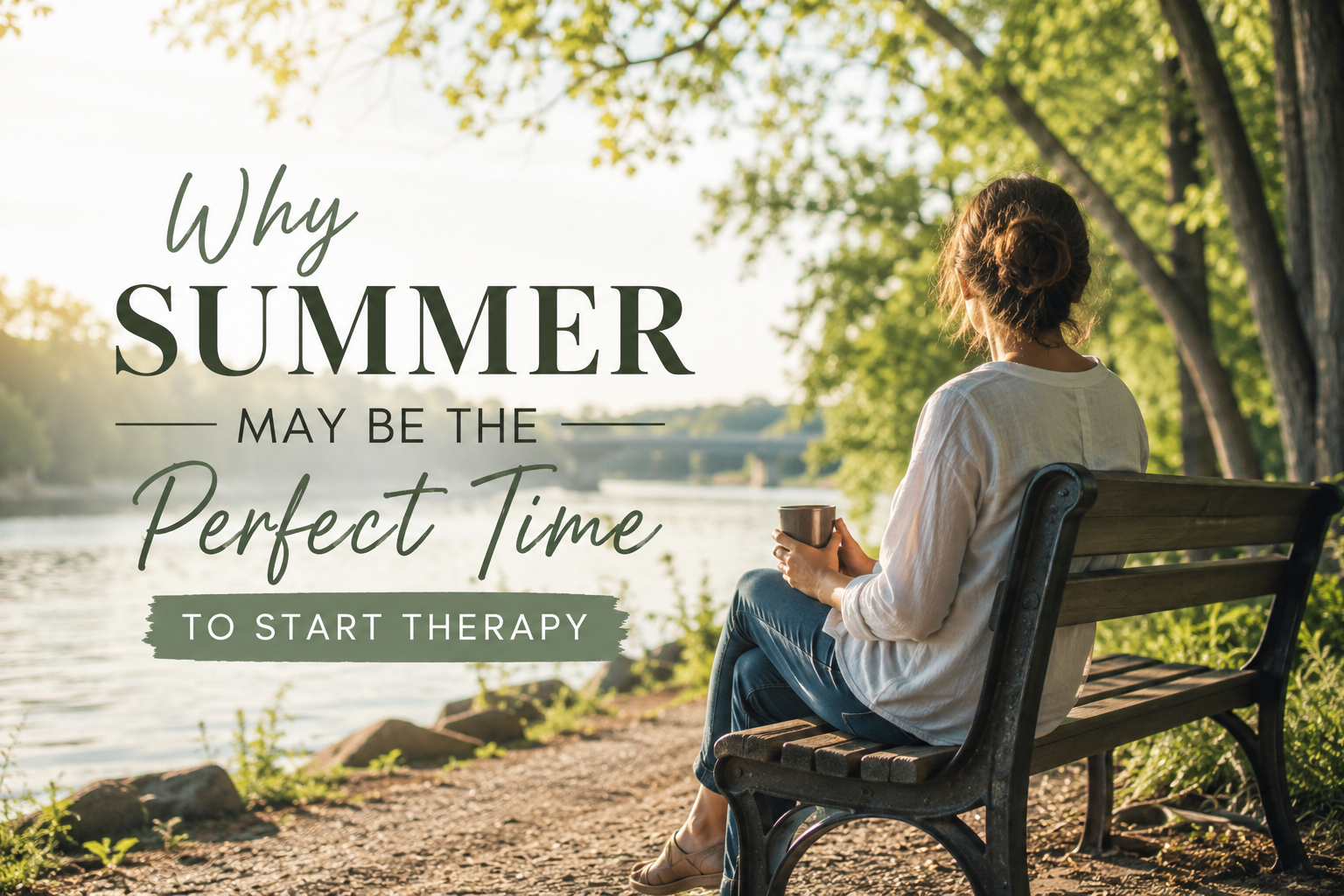
Summer Gives Us Something Rare: Space
Life can feel busy, noisy, and demanding.
Between work, family responsibilities, relationships, and the endless to-do lists, many of us spend our days simply trying to keep up.
Then summer arrives.
The days feel a little longer. The sun encourages us outside. Schedules often become a little lighter. We may take a vacation, spend time at the lake, sit around a campfire, or simply enjoy a quiet evening on the deck.
And in that space, something important can happen.
We begin to notice ourselves.
We notice the stress we've been carrying.
We notice the ways we've been disconnected from ourselves or the people we love.
We notice emotions we've been too busy to acknowledge.
Summer often creates the space to reconnect with ourselves and listen to what our emotions have been trying to tell us all year.

Therapy Isn't Just for Difficult Times
Many people reach out for therapy when life feels overwhelming.
Perhaps anxiety is becoming difficult to manage. Maybe a relationship is struggling. Perhaps grief, burnout, or a major life transition has left you feeling stuck.
Therapy can be incredibly valuable during these seasons.
But therapy isn't only for moments of crisis.
In fact, some of the most meaningful therapeutic work happens when life feels relatively stable.
When we're not in survival mode, we often have more emotional capacity to explore our experiences, understand our patterns, and create lasting change.
Instead of focusing solely on getting through the week, we can become curious about ourselves.
Why do I struggle to set boundaries?
Why do I become anxious when relationships feel uncertain?
Why do I put everyone else's needs before my own?
Why do I react so strongly in certain situations?
These questions often lead us toward deeper understanding, healing, and growth.
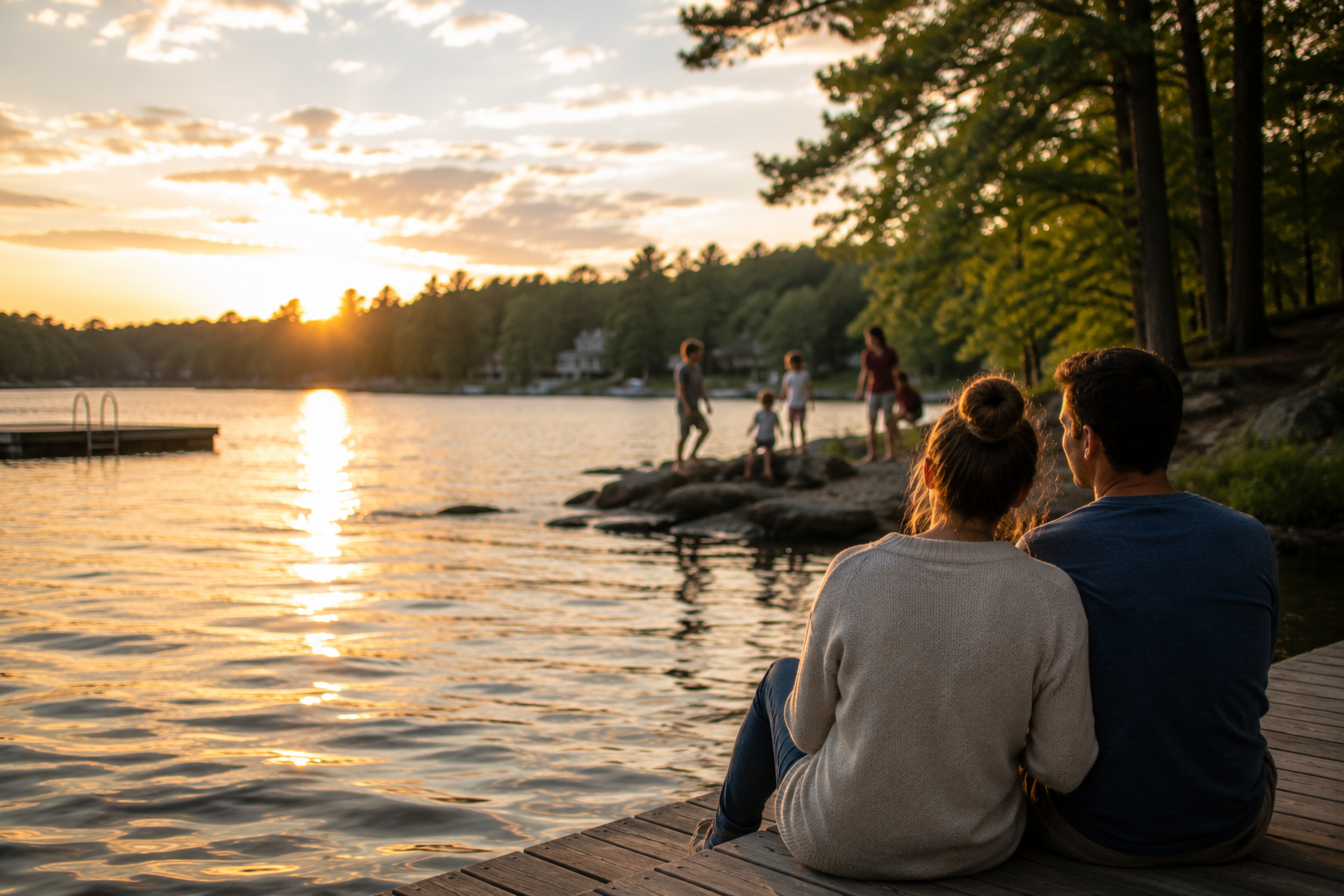
Our Relationships Often Speak Loudest in the Summer
Summer can bring more opportunities for connection, but it can also reveal areas where connection feels difficult.
Families spend more time together.
Couples take vacations together.
Children and teens are home from school.
Without the usual routines and distractions, relationship patterns often become easier to see.
Maybe you notice the same argument keeps happening.
Maybe conversations with your partner feel more distant than they used to.
Maybe your teen seems withdrawn, anxious, or overwhelmed.
Maybe you've realized that despite being surrounded by people, you're feeling lonely.
These experiences are not signs that something is wrong with you or your relationships.
They are invitations to pay attention.
Often, they are signals that an important emotional need is asking to be heard.

Healing Happens Through Safe Connection
As an Emotionally Focused therapist, I believe that human beings are wired for connection.
We all want to feel loved, valued, accepted, and emotionally safe.
When those needs are threatened or unmet, we naturally develop ways to protect ourselves.
Some people withdraw.
Some become critical.
Some become perfectionistic.
Some become people-pleasers.
These protective responses often make sense when we understand the experiences that shaped them.
The challenge is that the strategies that once helped us cope can sometimes create distance from ourselves and from the people we care about most.
Therapy offers a safe, supportive space to explore these patterns with curiosity rather than judgement.
As we begin to understand what lies beneath our reactions, we can often access deeper emotions, unmet needs, and new ways of connecting with ourselves and others.

Summer Can Be a Season of Self-Discovery
There is something about summer that naturally encourages reflection.
Perhaps it's the slower pace.
Perhaps it's spending more time outdoors.
Or perhaps it's simply having enough breathing room to ask ourselves questions we've been avoiding.
Am I living in alignment with what matters most to me?
What do I need right now?
What relationships do I want to strengthen?
What parts of myself have I been neglecting?
Who am I when I'm not focused on taking care of everyone else?
These questions don't require immediate answers.
Sometimes they simply invite us to slow down, become curious, and reconnect with ourselves.
Therapy can help support that journey.
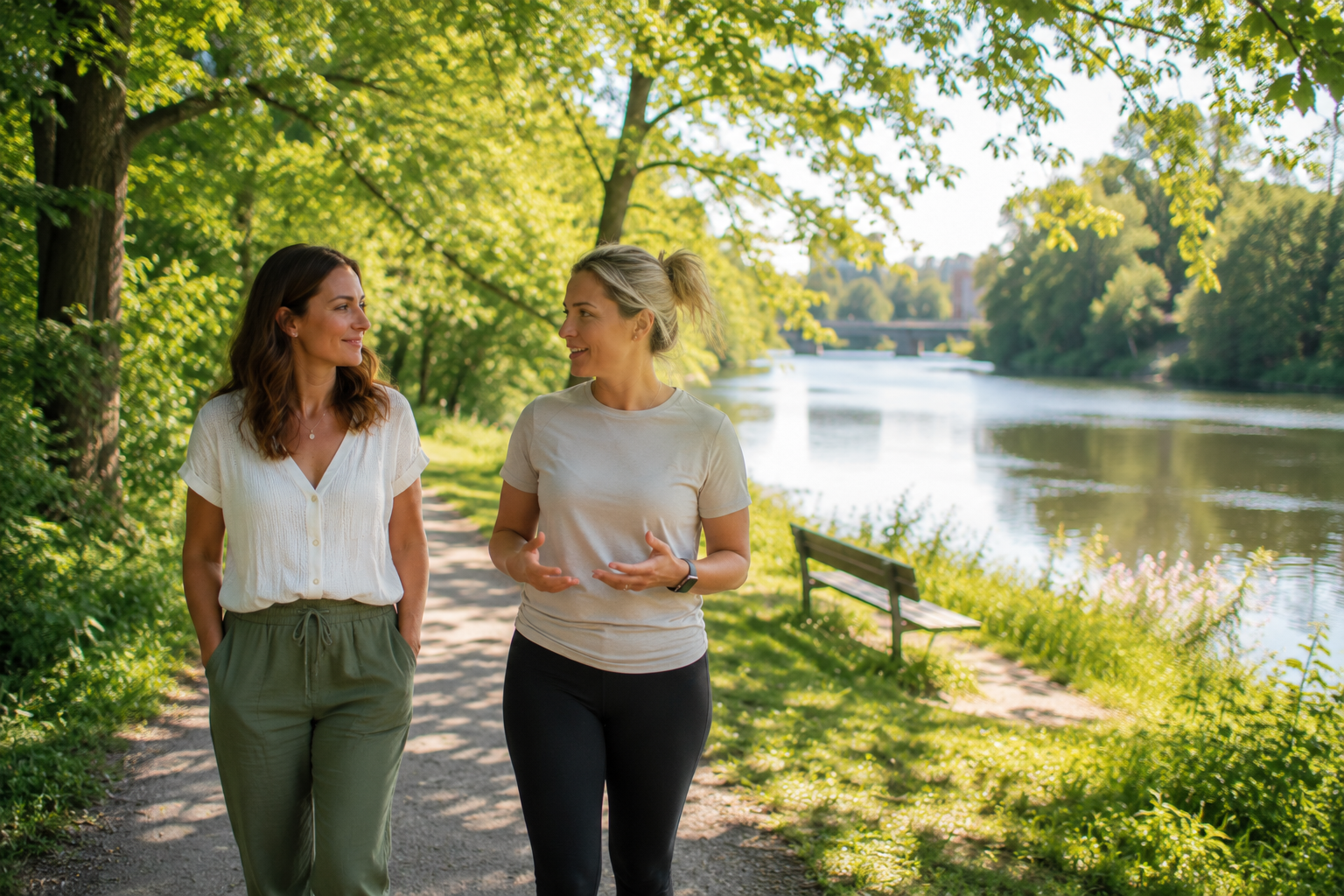
Therapy Doesn't Have to Happen Within Four Walls
When people think about therapy, they often picture sitting in an office across from a therapist.
But therapy can look different.
At Watkins Counselling and Wellness, clients can choose to meet virtually from anywhere in Ontario or participate in walk-and-talk therapy with me in Smiths Falls.
For some people, being outdoors feels more natural and comfortable. Walking side-by-side can reduce some of the pressure that comes with difficult conversations and create space for thoughts and emotions to emerge more naturally.
There is also something restorative about spending time in nature. The movement, fresh air, and natural surroundings can help us slow down and become more present with ourselves.
As someone who values connection, healing, and the calming effects of nature, I have seen how meaningful these conversations can be while walking together through local trails and green spaces.
Whether you choose virtual therapy or walk-and-talk sessions, the goal remains the same: creating a safe and supportive space where you can explore your experiences, strengthen your relationships, and reconnect with yourself.

You Don't Have to Wait
One of the things I wish more people knew is that therapy doesn't have to be a last resort.
You don't have to wait until your relationship is falling apart.
You don't have to wait until anxiety feels overwhelming.
You don't have to wait until life becomes unmanageable.
Sometimes therapy is about healing.
Sometimes it's about growth.
Sometimes it's about understanding yourself more deeply.
And sometimes it's simply about creating a space where you can show up exactly as you are and be met with compassion, curiosity, and support.
If you've been considering therapy, summer may be the perfect time to begin.
Not because something is wrong.
But because you deserve space to slow down, reconnect with yourself, strengthen the relationships that matter most, and invest in your emotional well-being.
Whether that happens from the comfort of your home through virtual therapy or while walking together outdoors in Smiths Falls, support is available when you're ready.
— Joe-Ann Watkins, Registered Psychotherapist
Date: June 9, 2026
Watkins Counselling & Wellness — Helping You Reconnect, Heal, and Grow